Case studies: what we built, and what changed
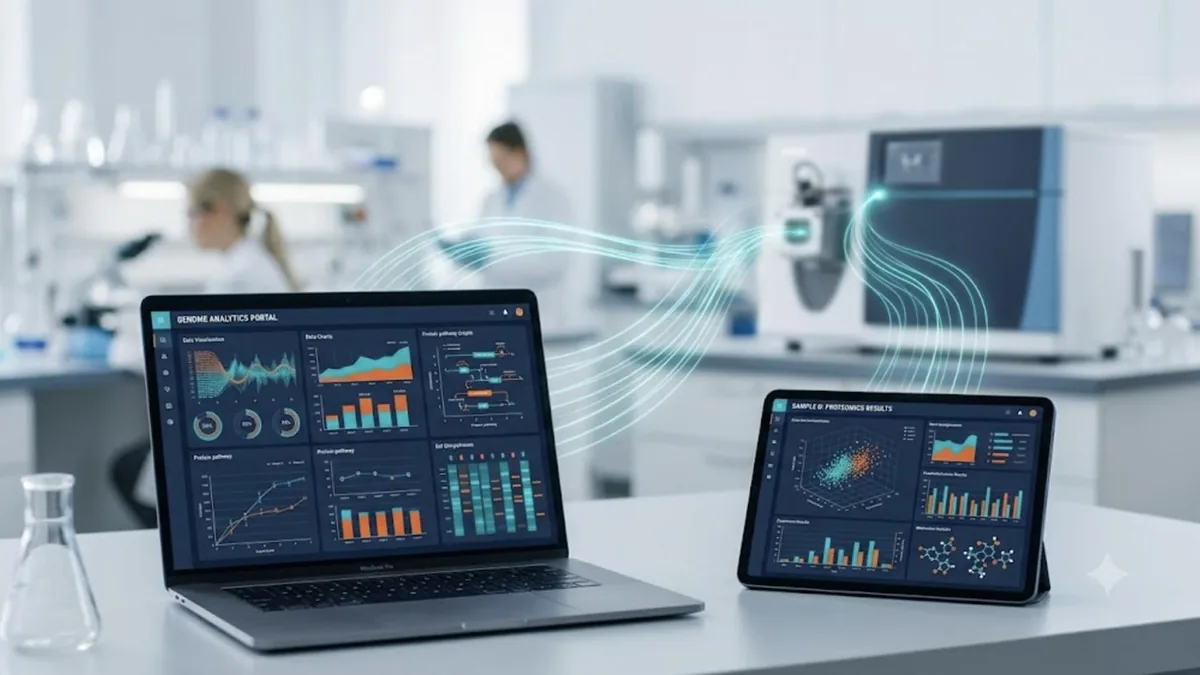
Since 1989 our team has built analytical software for the life sciences, both our own products and custom software packages carrying somebody else’s name or for specific pharmaceutical workflows. The work below spans instrument manufacturers, global pharmaceutical companies, biotech, cell and gene therapy, and academic research groups. Different sectors, different problems, one TotalLab.
Some of it ships inside instruments you can buy today. Some of it runs in GMP-regulated manufacturing. Some of it we are not allowed to name. All of it was built by scientists and mathematicians who write software, validated to whatever standard the work demanded.
OEM and instrument software · Workflow automation · AI and machine learning · 21 CFR Part 11 and GMP · Image analysis · Data integration
The work
OEM and instrument software · Imaging hardware
Azure Biosystems: the analysis software inside the imager
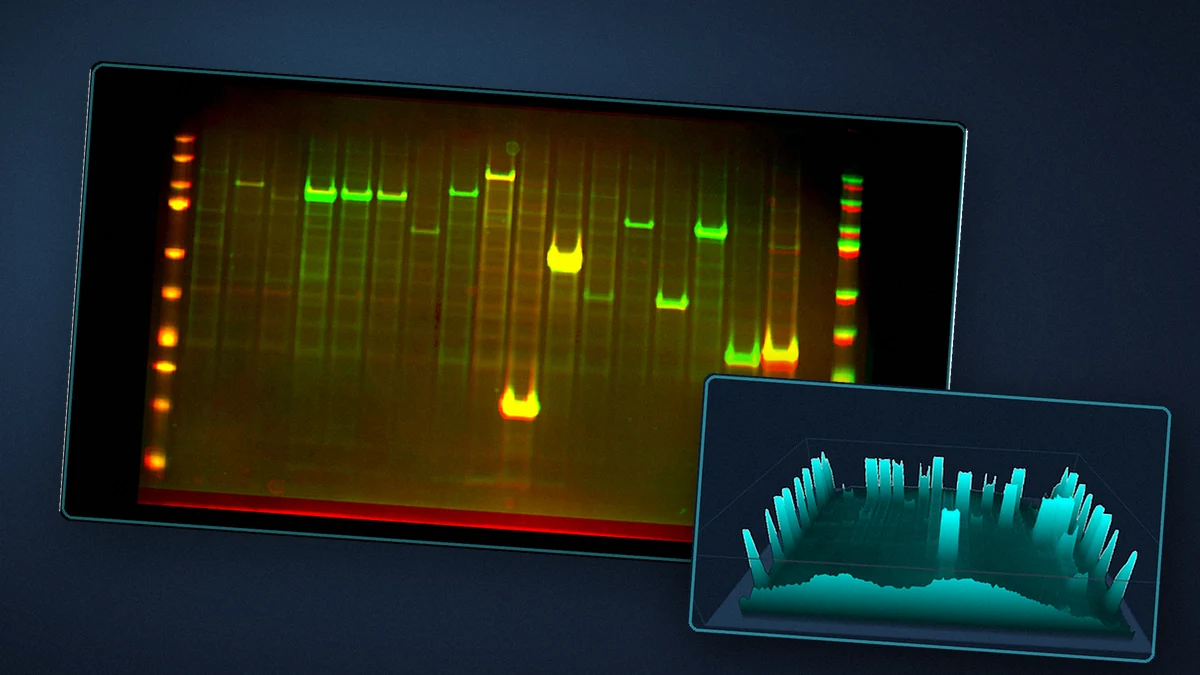
Azure Biosystems build some of the most capable imaging systems in life science. What they needed next was not better hardware, it was the software that turns an image into an answer. We built AzureSpot Pro, an OEM image analysis platform on TotalLab technology, and then a 21 CFR Part 11 and GMP-compliant edition that opened the regulated pharmaceutical market to them.

Cell and gene therapy · Workflow automation
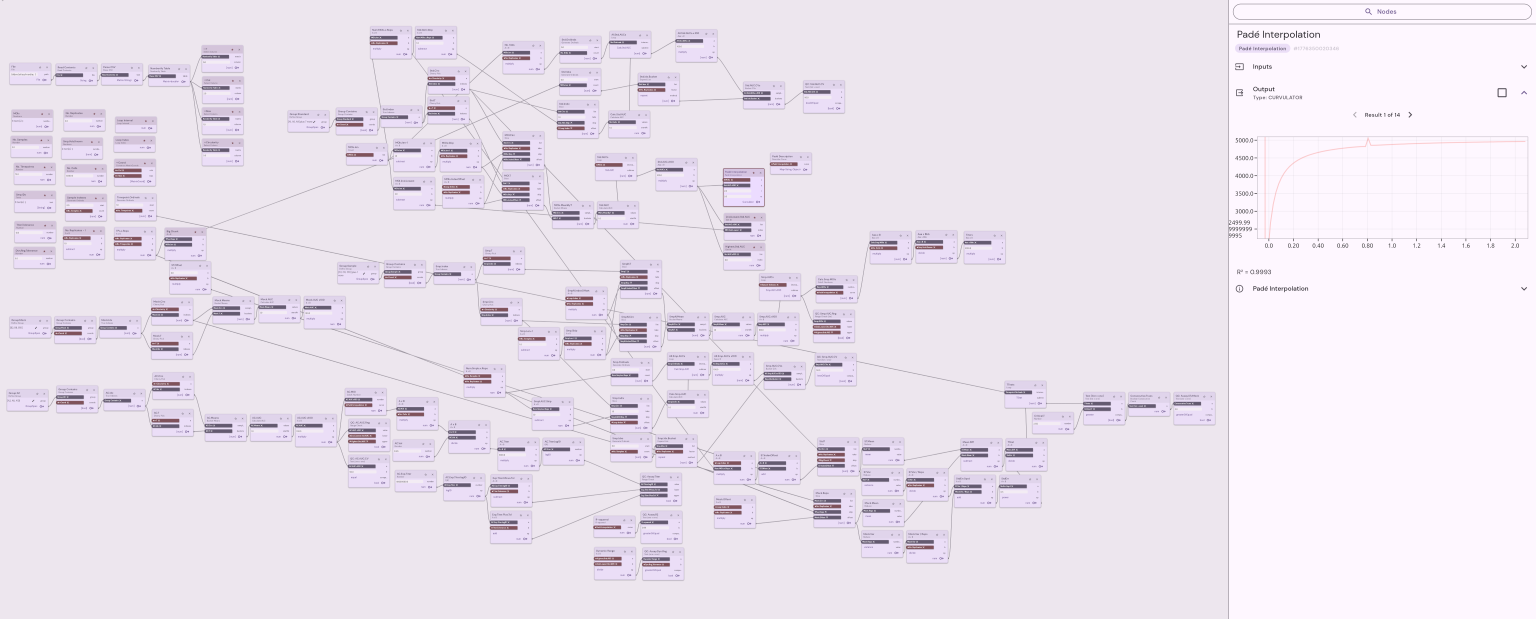
One ATMP workflow instead of five systems
The largest privately held pharmaceutical company in the world came to us with an Advanced Therapy Medicinal Product workflow fragmented across multiple software platforms. We were selected to consolidate it into a single, unified, automated solution built for the demands of 21 CFR Part 11/GMP cell and gene therapy manufacturing.

AI and machine learning · Image analysis
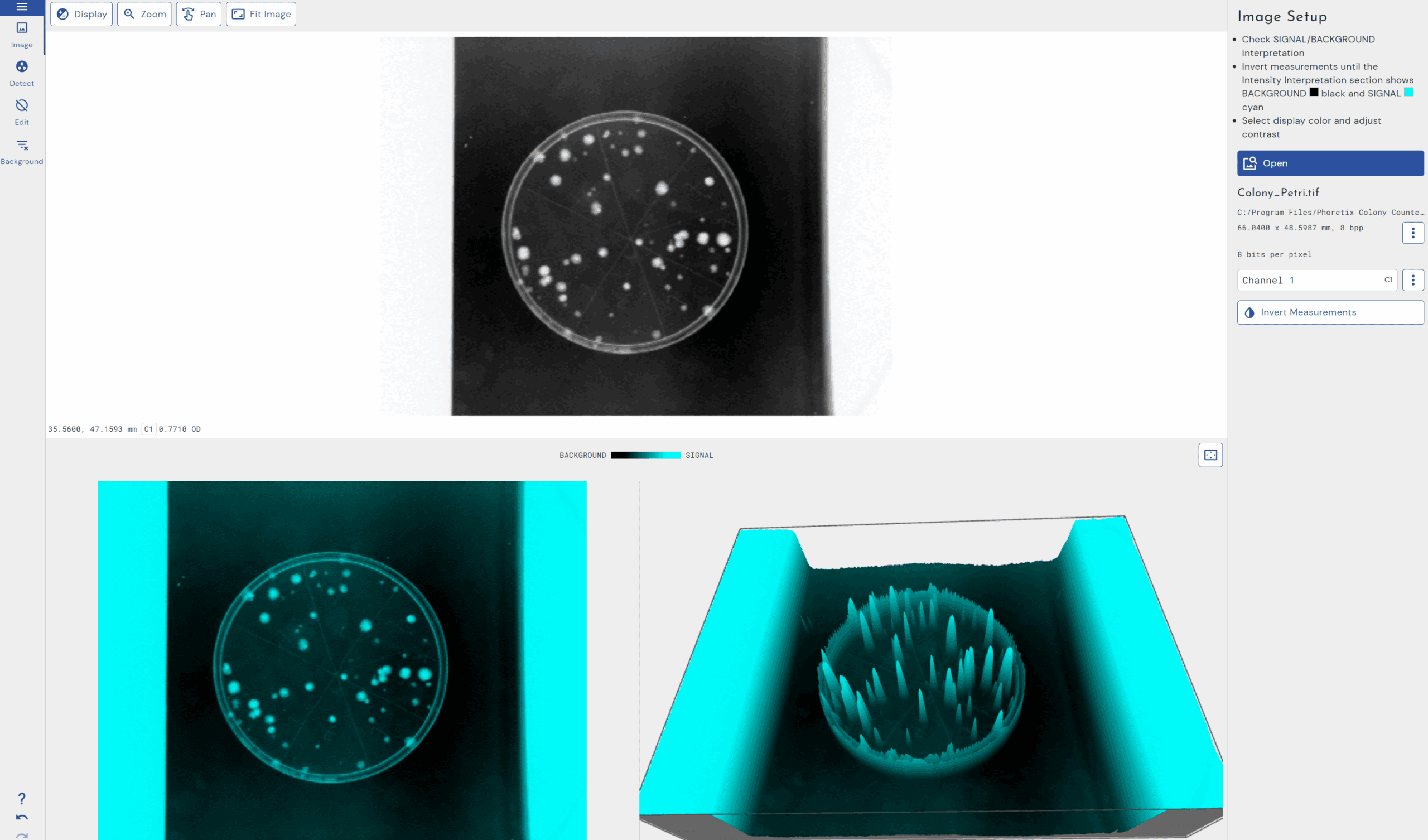
Taking the manual step out of colony counting
Our Phoretix Colony Counter already found colonies in an image, but users had to guide it through several manual steps. We applied AI and machine learning to remove those steps entirely, turning a painstaking process into an automatic one. It is the same approach we now bring to detection problems in our clients’ own software.

Academia · Quantitative analysis
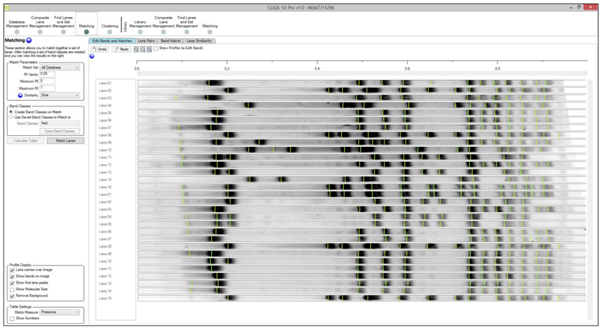
University of Liverpool: validating protein expression with CLIQS
A cell-signalling laboratory studying the effect of cell shape on calcium signalling and cell cycle progression needed to validate quantitative iTRAQ protein expression results by western blot. They put CLIQS head to head with an alternative package. Their findings, and a printable copy, are in the full case study.

Biopharma · Data integration
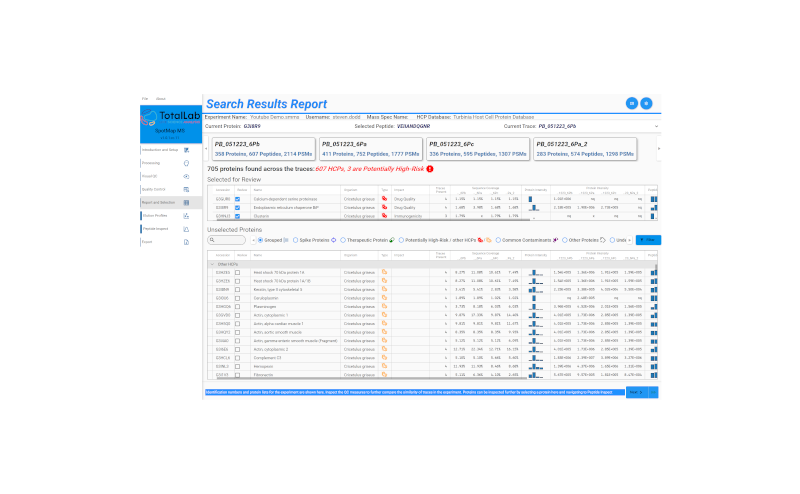
Bringing the BioPhorum HCP database into SpotMap MS
Host cell protein analysis depends on knowing what you are actually looking at. We integrated the BioPhorum host cell protein database into SpotMap MS so that identification happens inside the analysis rather than in a spreadsheet beside it.

Work we cannot name
A good deal of what we build sits under NDA for companies who would rather their competitors did not know what they are working on. Two we can describe without identifying anyone.
Biotech · Automated analysis.
We turned a slow, manual 1D SDS-PAGE gel analysis, annotation and reporting process into automated software that delivers results in seconds, letting a biotech team scale their work without scaling their headcount.
Pharma · Regulated data.
We built a 21 CFR Part 11-compliant database for an immunotherapy developer, giving them an audit-ready system that stands up to the scrutiny of their regulated environment.
Plus confidential projects for several of the world’s largest pharmaceutical companies.
Could your project be next?
Book a free 30-minute discovery call and we will tell you how we would approach it, what it would take, and whether we are the right team for the job. No obligation, no hard sell.
- Talk directly to scientists who build software, not a sales rep
- Walk away with a clear view of scope and approach
- Everything covered by an NDA
Related Links
Custom software development →
EU Cyber Resilience Act compliance for OEMs →
21 CFR Part 11 software development →
AI software development →