Your instrument is only half of what a lab buys. The other half is the software that turns a signal or an image into a number they can report. TotalLab builds that software for instrument makers: control, acquisition and analysis software under your brand, a compliant edition for regulated labs, or a modern replacement for software that is holding your product back.
We have built, sold and supported our own scientific software since 1989, and our analysis software already ships with commercial instruments from several manufacturers. You get a specialist software team without hiring one, and a product that carries your name.
Book a free 30-minute discovery call See how we work with OEMs
Who we build for
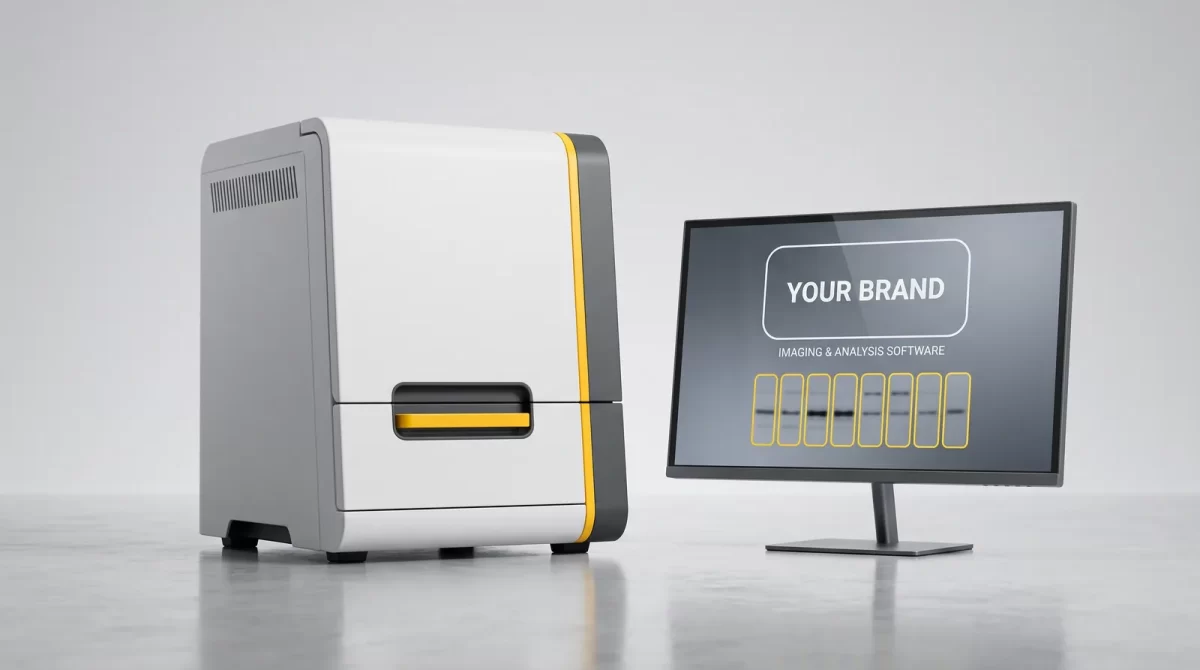
Companies building a new instrument
You have the hardware, the optics or the chemistry. You need software that controls it, analyzes what it produces and looks like a finished product on launch day. We take startups from prototype to a validated product, so your engineers stay on the hardware.
Established manufacturers adding software to an instrument line
Your customers are pairing your hardware with someone else’s analysis software, or asking for features your current software cannot deliver. We build a branded analysis product that ships with your instruments, so the screen your customers use every day carries your name.
Manufacturers with software that is holding sales back
Software written for an old operating system, with no security updates and no audit trail, loses regulated bids and now carries EU Cyber Resilience Act obligations. We rebuild, secure or take over maintenance of it, and your hardware stays as it is.
TotalLab's 21 CFR implementation is probably the best I've ever seen and administered on-site
What we build
Instrument control and acquisition software
Software that drives your hardware through its SDK, driver or API and records the acquisition settings that affect the result, such as exposure and saturation, so every number can be defended.
Analysis software, our heritage
Image analysis is where TotalLab started. Our algorithms detect lanes, bands, spots, colonies and array features in Phoretix 1D, SameSpots, Phoretix Colony Counter and Phoretix Array, and they are the starting point for OEM analysis software. Building on mature algorithms instead of starting from zero is why OEM projects move faster than ground-up development.
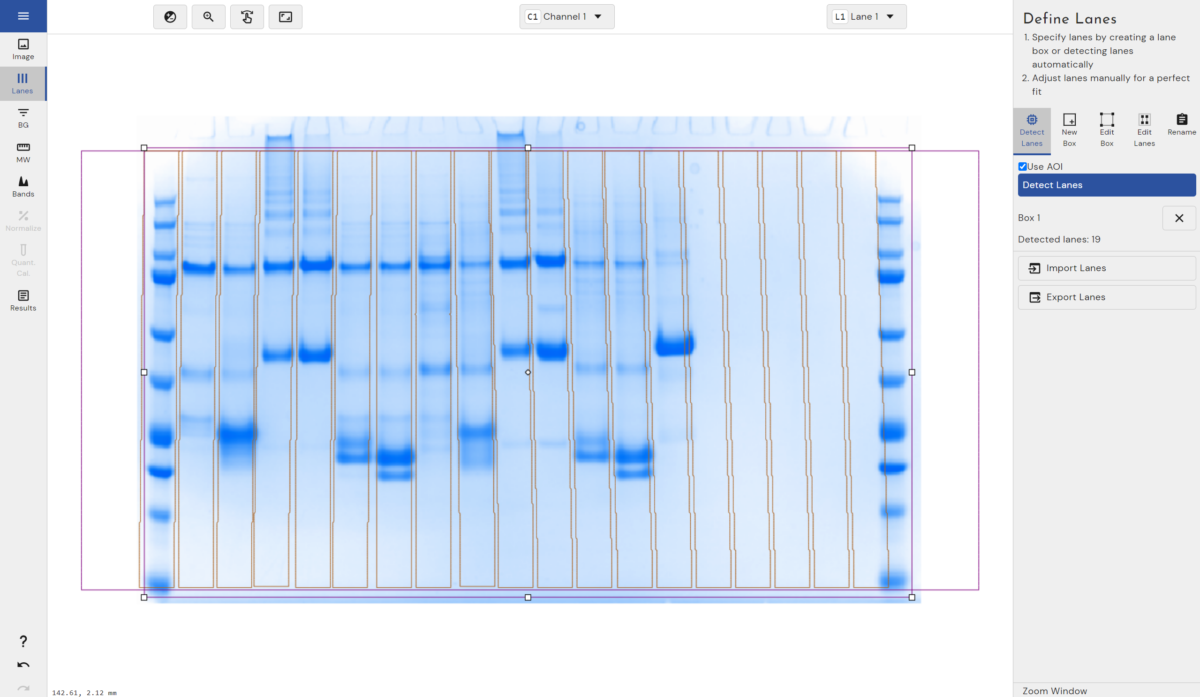
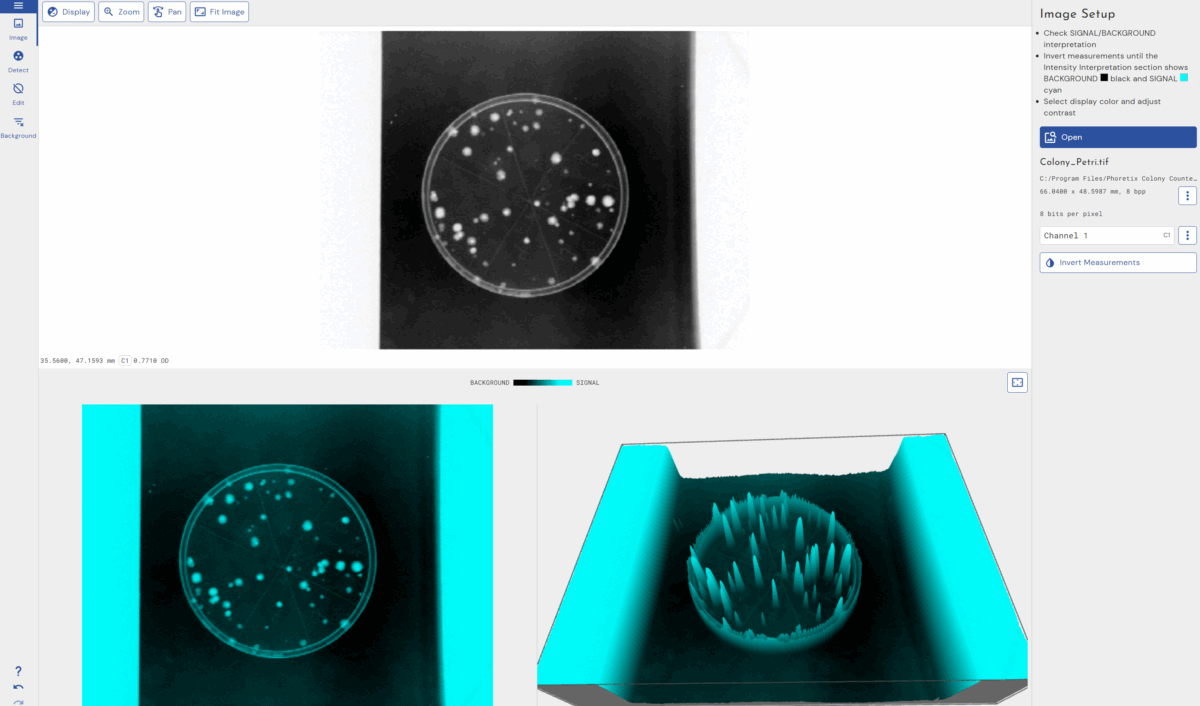
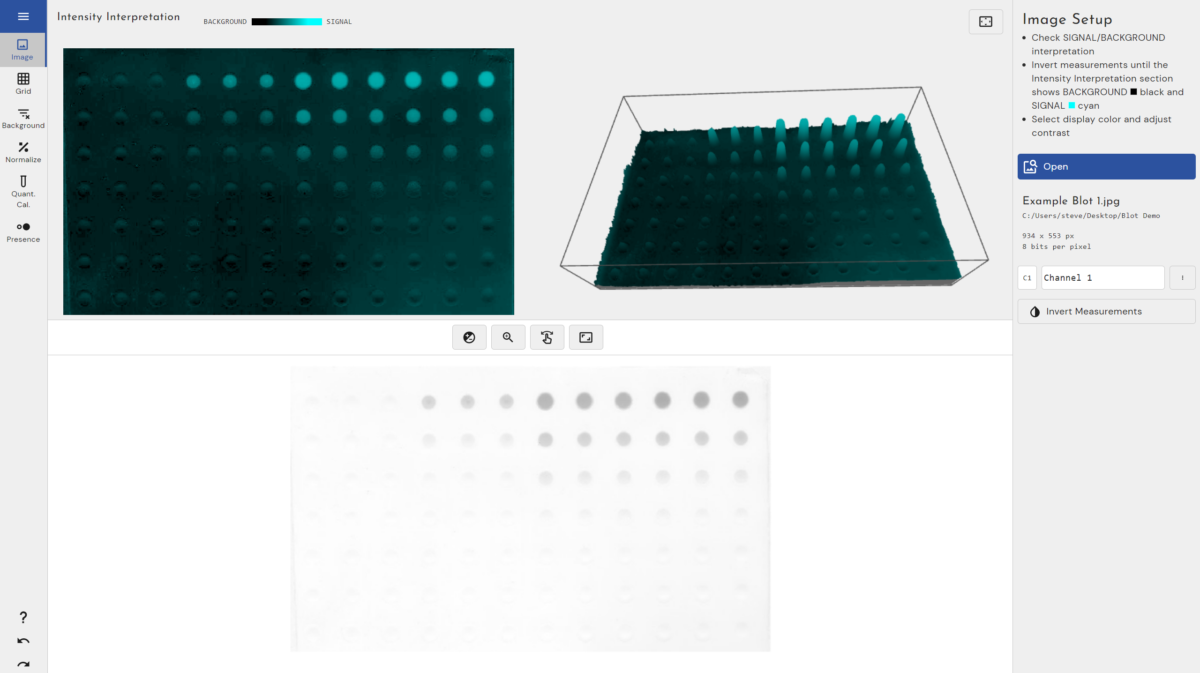
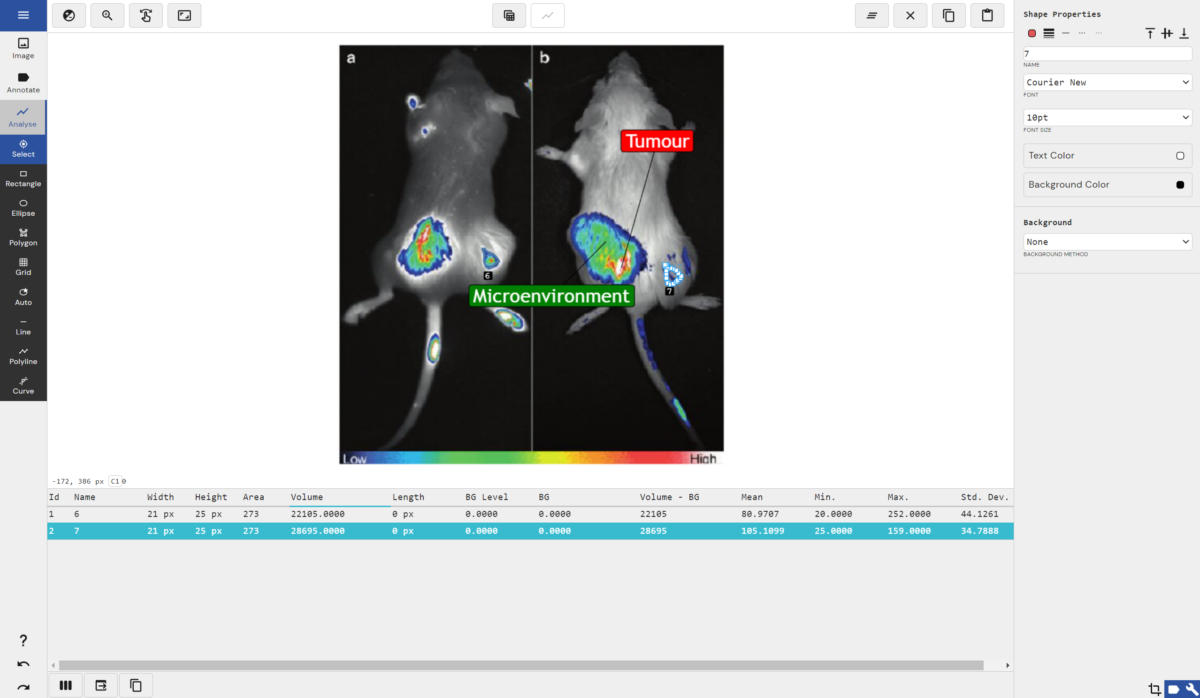
Detection and quantification from our own products: the starting point for OEM analysis software.
Custom image analysis software development
Compliant editions for regulated labs
A 21 CFR Part 11, EU Annex 11 and GMP edition of your software, usually sold as a premium option. With AuditSafe, TotalLab software provides audit trails, electronic signatures, granular user permissions and image authenticity verification. We supply validation documentation and the IQ and OQ protocols your customers need.
Add 21 CFR Part 11 to software you already ship
Data, connectivity and AI
Export, LIMS and database connections, automation interfaces, and machine learning where it measurably beats a conventional algorithm.
Modernization and legacy takeover
Rewriting, wrapping or replacing aging instrument software, including taking over maintenance when the original team is gone.
Rewrite, wrap or replace: modernizing legacy instrument software
Three ways to work with us
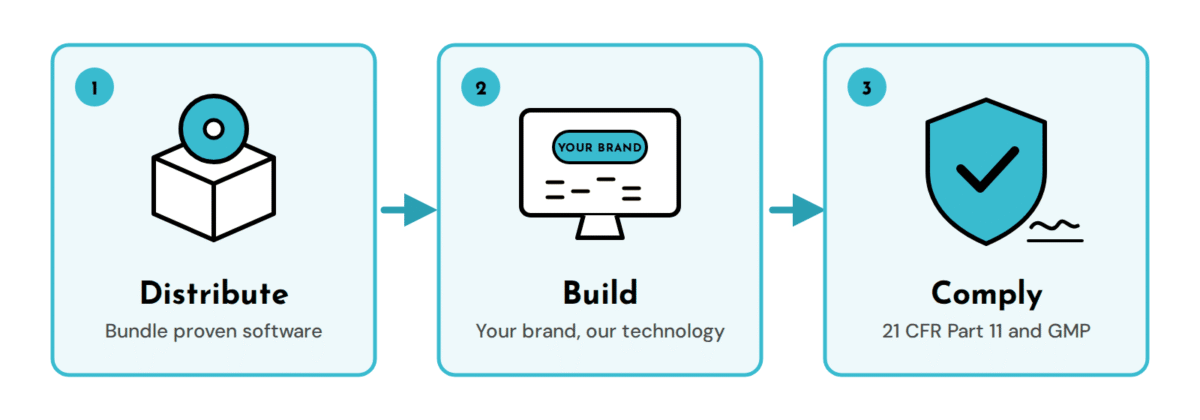
You do not have to commit to a full build on day one. Most of our OEM partnerships start small and grow as the demand is proven.
1. Distribute
Bundle our existing analysis software with your instrument. The fastest route to a complete offering, with no development spend, and a real test of what your customers use.
2. Build
A white-label or co-branded product built on our technology and carrying your name, shaped around your instrument and your customers’ workflows. You keep the customer relationship and the upgrade path. We handle development, testing and second-line support.
3. Comply
Add 21 CFR Part 11, Annex 11 and GMP controls to software you already ship, as a component that wraps around your existing software instead of replacing it.
| Your situation | Best route | Typical timescale |
|---|---|---|
| No analysis software, or software your customers complain about | Distribute, then Build | Distribute: immediate. Branded edition on our platform: months |
| Good software that lacks compliance | Comply | Weeks to a few months |
| Aging software, security or CRA gaps | Modernize: rewrite, wrap or replace | Scoped at discovery |
We are laser focused on developing and advancing technology that meets the rigorous compliance needs of our partners, including pharmaceutical laboratories and contract research organizations.
OEM software already on the market
Our software ships with commercial instruments from several manufacturers. Most of those partnerships are covered by NDA, so we cannot show their software here. Some of the OEM partners we can name:

Two of their stories in more detail:
Azure Biosystems: AzureSpot Pro
Azure Biosystems started by selling our established analysis software with their imagers. Once the demand was proven, we built AzureSpot Pro, an Azure-branded analysis product on our technology, and then a 21 CFR Part 11 and GMP-compliant edition with IQ and OQ that opened the regulated pharmaceutical market to them.
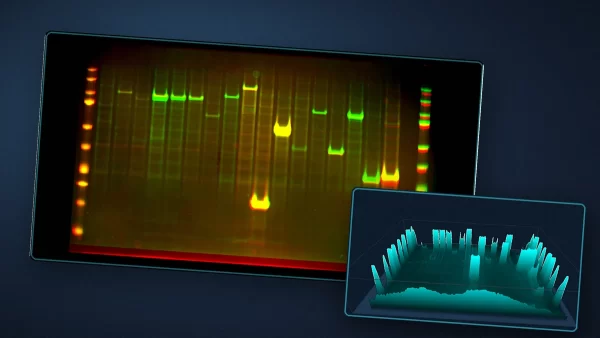
Read the Azure Biosystems case study
World Precision Instruments: 21 CFR Part 11 for the EVOM Auto
World Precision Instruments chose AuditSafe over building compliance in house to bring 21 CFR Part 11 to their EVOM Auto product line, and launched the compliant EVOM Auto at the MPS World Summit in 2024, opening the pharma and CRO segment for the EVOM family.
Why instrument makers choose TotalLab over a generic software agency
We sell scientific software, not just write it. Our own products are used in labs worldwide across gels, blots, arrays, colony counting, ELISA, LC-MS and proteomics, so we know what a scientist will and will not trust.
The hard part is the science. Detection, quantification and normalization that hold up on messy real-world data are what our scientists and mathematicians have spent two decades on. The interface is the easy part.
Compliance is how we build. Over a decade of 21 CFR Part 11, Annex 11 and GMP work, accepted by the regulatory departments of some of the world’s largest pharmaceutical companies.
Your brand, your customers. OEM work is delivered under your name and covered by an NDA. We stay behind the scenes unless you want us in front.
How an OEM project runs
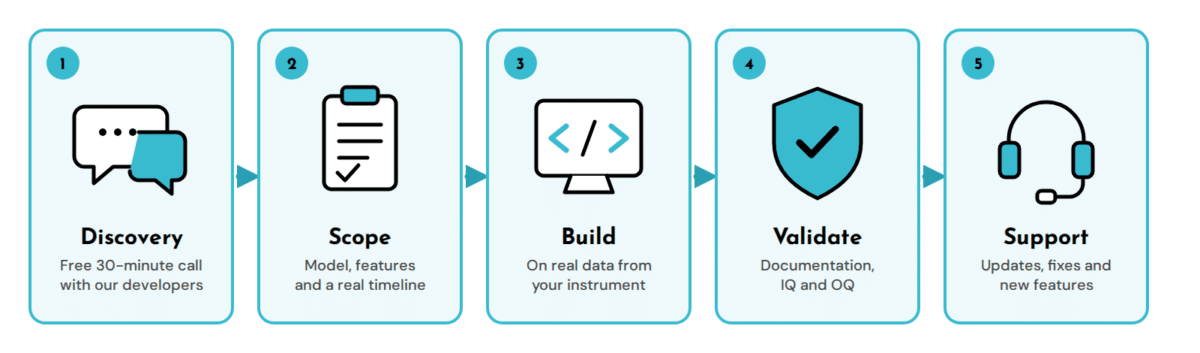
- Discovery. A free 30-minute call with the people who build the software, not a sales rep, followed by whatever technical review your instrument needs.
- Scope and proposal. The commercial model, the integration (file-based, SDK or driver, API, or embedded), the first-release features and a realistic timeline.
- Build. Iterative development on real data from your instrument from the first weeks. Your product team reviews working software, not documents.
- Validation and release. Verification against the specification, validation documentation and, for a compliant edition, the control mapping and IQ and OQ protocols.
- Support. Second-line support behind your first line, maintenance releases, operating system updates and new features as your product line grows.
The EU Cyber Resilience Act and your instrument software
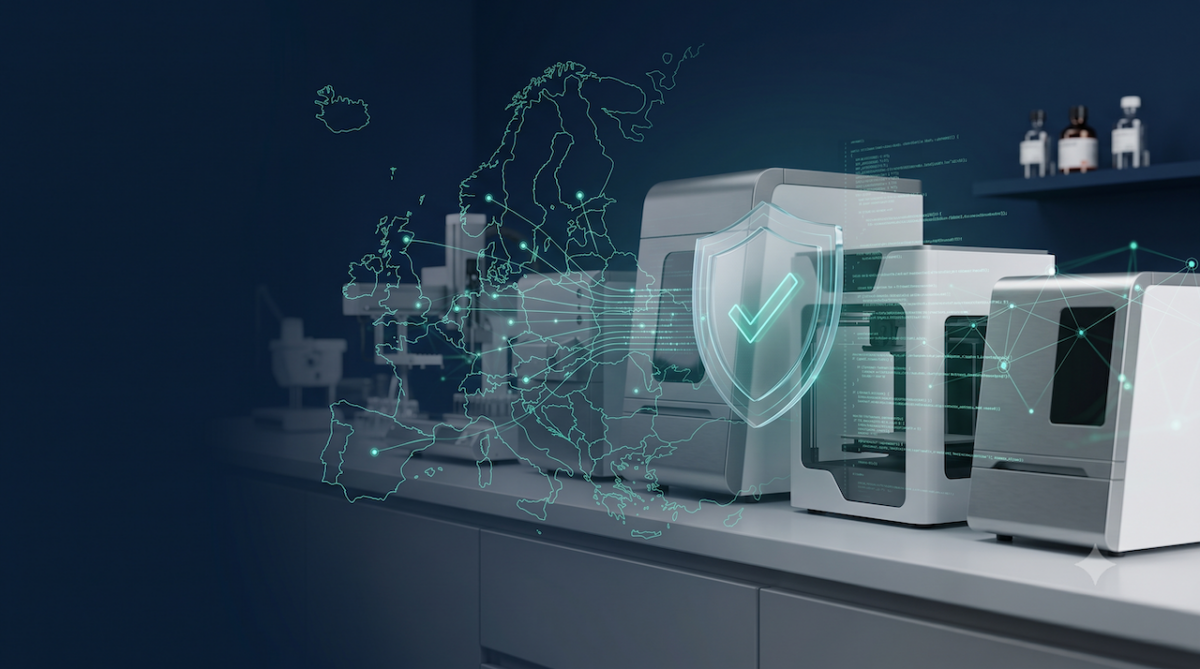
Instruments with software or connectivity sold in the EU are products with digital elements under the Cyber Resilience Act. Vulnerability reporting obligations have applied since 11 September 2026, and the main obligations apply from 11 December 2027. If your instrument software has no security update process or no software bill of materials, now is the time to plan the fix. We modernize legacy instrument software and build CRA readiness into new OEM projects.
Cyber Resilience Act compliance for life science OEMs
Book a free CRA readiness audit
Build gel docs or imagers?
The gel documentation system is the imager most labs pair with our software. If you make one, see how we build the analysis software that ships with it: software for gel doc manufacturers.
Frequently asked questions
Do you build software under our brand?
Yes. White-label and co-branded OEM software is one of our core services. The product carries your name and ships with your instruments.
Do we have to commit to a full custom build straight away?
No, and we usually suggest you do not. Many partnerships start by distributing our existing analysis software with your instrument. That proves the demand and shows exactly what your customers use before anyone commits to a bespoke build.
How long does an OEM project take?
It depends on scope. A compliance component can be integrated in weeks to a few months. A branded edition on our existing platform takes months, which is faster than ground-up development because the analysis algorithms already exist. We give you a realistic timeline in the proposal.
Can one piece of software cover all our instrument’s applications?
Yes. We build multi-module analysis software, for example 1D gels and blots, multiplex and in-cell westerns, arrays and plates, and colony counting, in one product with one interface.
Can you make our existing software 21 CFR Part 11 compliant without rebuilding it?
In most cases, yes. AuditSafe is designed to wrap around existing software, adding audit trails, electronic signatures, access control and the documentation regulated customers need, without a redesign.
We are a startup. Are we too small?
No. We regularly take startups from prototype to a validated, investor-ready product without the cost and delay of hiring a software team.
We compete with companies you already work with. Is that a problem?
We will tell you at the first call if there is a conflict. Confidentiality runs both ways, and we never carry one client’s work into another’s project.
Tell us about your instrument
Book a free 30-minute discovery call. We will look at your instrument, your customers and where the gap is, and tell you how we would approach it and what it would take. If bundling our existing software is the better answer, we will say so.
- Talk directly to the people who build the software
- Everything under NDA
- A clear view of scope and approach, with no obligation
Resources
OEM Instrument Software Explained: White-Label, Co-Branded and Licensed Models
How software partnerships work for instrument makers: the three commercial models, integration options, compliance editions and what an engagement looks like.
Read More >
The EU Cyber Resilience Act and Your Legacy Software: A Survival Guide for Life Science OEMs
What the CRA means for instrument software already on the market, the dates that matter, and how to decide whether to remediate, rewrite or retire.
Read More >
How Custom Image Analysis Software for the Lab Is Built
The five steps from assay to validated tool: defining the measurement, choosing the algorithm, proving accuracy on real data and building the software around it.
Read More >